|
Labuan Bajo, located in the beautiful Indonesian province of East Nusa Tenggara, has gained significant attention as a thriving tourist destination in recent years. With its breathtaking landscapes, crystal-clear waters, and the incredible Komodo National Park, Labuan Bajo has become a hotspot for adventurers and nature enthusiasts. However, it is not only the natural wonders that draw people to this region but also the potential for real estate investment. In this article, we will explore why purchasing property in Labuan Bajo can be a great investment opportunity. IntroductionLabuan Bajo's rise to prominence as a tourist destination has created a unique opportunity for real estate investment. Scuba diving in Komodo and Komodo National Park tours have made the area increasing popular. The region's natural beauty, combined with increasing accessibility and growing infrastructure, has attracted both domestic and international investors seeking to capitalize on the potential returns in this emerging market. The Rise of Labuan Bajo as a Tourist Destination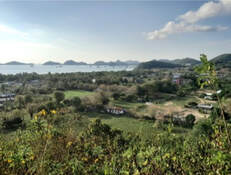 Labuan Bajo's transformation from a small fishing village to a tourist hotspot can be attributed to its proximity to the Komodo National Park. Travelers from around the world visit Labuan Bajo to witness the majestic Komodo dragons, take Komodo Boat Tours, explore vibrant coral reefs, and embark on exciting diving and snorkeling adventures. The increasing popularity of Labuan Bajo has resulted in a surge in tourist arrivals, creating a growing demand for accommodation and amenities. Growing Infrastructure and AccessibilityIn recent years, significant efforts have been made to improve Labuan Bajo's infrastructure and accessibility. The local government has invested in upgrading the airport, expanding road networks, and enhancing port facilities. These improvements have made it easier for tourists and investors to reach Labuan Bajo, leading to an influx of visitors and boosting the local economy. Booming Real Estate MarketLabuan Bajo's real estate market has experienced substantial growth due to the increasing demand for properties. Investors are keen on acquiring land, villas, resorts, and hotels to cater to the growing number of tourists. Property values in Labuan Bajo have appreciated significantly, offering attractive returns on investment. Investment Potential in Hospitality and TourismThe hospitality and tourism sectors in Labuan Bajo present lucrative investment opportunities becuause the are many things to do in Labuan Bajo. By acquiring or developing accommodation facilities, such as resorts or boutique hotels, investors can tap into the rising demand for high-quality lodging options. Additionally, investors can explore opportunities in restaurants, tour agencies, and other businesses that cater to the needs of tourists. Legal Considerations for Foreign InvestorsForeign investors interested in purchasing property in Labuan Bajo should familiarize themselves with the local regulations and legal requirements. Indonesia has specific rules governing foreign ownership of land and properties, including limitations on the maximum land size that can be acquired. Seeking professional advice and working with reputable local partners can help navigate the legal landscape and ensure compliance with the regulations. Navigating the Buying ProcessThe process of purchasing property in Labuan Bajo involves several steps. Prospective buyers need to conduct thorough due diligence, including property inspections, title searches, and verification of ownership rights. Engaging the services of a reliable local real estate agent or lawyer can provide invaluable assistance throughout the buying process, ensuring a smooth and secure transaction. Property Management and Rental OpportunitiesInvestors who purchase property in Labuan Bajo can benefit from the thriving rental market. With the increasing number of tourists visiting the region, there is a growing demand for short-term vacation rentals. Engaging a professional property management company can help investors maximize their rental income and ensure their properties are well-maintained. Environmental Sustainability and Responsible InvestingAs Labuan Bajo experiences rapid development, it is crucial to prioritize environmental sustainability and responsible investing. Investors should consider eco-friendly construction practices, waste management systems, and renewable energy sources to minimize the ecological footprint of their projects. By embracing sustainable practices, investors can contribute to the preservation of Labuan Bajo's natural beauty while creating long-term value for their investments. Potential Risks and Mitigation StrategiesLike any investment, purchasing property in Labuan Bajo carries certain risks. Market fluctuations, regulatory changes, and unforeseen challenges can impact the profitability of investments. However, investors can mitigate these risks through thorough research, diversification of investments, and working with experienced professionals who understand the local market dynamics. ConclusionLabuan Bajo offers a compelling investment opportunity for those seeking to buy property in Labuan Bajo to potentially capitalize on the region's growing popularity as a tourist destination. With its stunning natural attractions, improving infrastructure, and booming real estate market, Labuan Bajo has the potential for substantial returns on investment. However, it is essential for investors to conduct thorough due diligence, navigate the legal landscape, and embrace sustainable practices to maximize their chances of success. FAQs (Frequently Asked Questions)Can foreigners purchase property in Labuan Bajo?Yes, foreigners can purchase property in Labuan Bajo, but there are certain restrictions and legal requirements that need to be considered. It is advisable to seek professional advice and work with reputable local partners. What types of properties are available for investment in Labuan Bajo?Investors can find a wide range of properties for investment in Labuan Bajo, including land, villas, resorts, hotels, and commercial spaces. How is the rental market in Labuan Bajo?The rental market in Labuan Bajo is thriving due to the increasing number of tourists. Short-term vacation rentals can generate attractive returns for property owners. Are there any environmental regulations in place to protect Labuan Bajo's natural beauty?Yes, Labuan Bajo has environmental regulations aimed at preserving its natural beauty. Investors should prioritize sustainability and adopt responsible practices in their projects. What are the potential risks associated with property investment in Labuan Bajo?Potential risks include market fluctuations, regulatory changes, and unforeseen challenges. However, with proper research, diversification, and risk management strategies, these risks can be mitigated.
0 Comments
IntroductionWhen embarking on a Komodo Tour, it is essential to understand the significance of practicing good nature conservation. The Komodo National Park, situated in Indonesia, is a haven for diverse wildlife and a treasure trove of natural beauty. To ensure the preservation of this unique ecosystem for future generations, it is crucial to adopt responsible travel practices. In this article, we will explore how you can make a positive impact and contribute to nature conservation during your Komodo Tour. Understanding the Komodo Tour Before diving into the conservation aspects, let's familiarize ourselves with the Komodo Tour and the Komodo National Park. The park, established in 1980, is a UNESCO World Heritage Site known for its breathtaking landscapes and the iconic Komodo dragons. While encountering these ancient reptiles is a highlight of the tour, there are other exciting activities such as snorkeling, hiking, and visiting pristine beaches. Responsible Travel PracticesRespect wildlife and their habitat
Minimize environmental impact
Support local communities and initiatives
Educating Yourself and OthersLearn about the ecosystem
Share your knowledge
Sustainable Transportation OptionsChoosing eco-friendly transportation
Reduce plastic waste
ConclusionPracticing good nature conservation while on a Komodo Tour is not only a responsibility but also an opportunity to make a positive impact. By respecting wildlife, minimizing environmental impact, supporting local communities, educating yourself and others, and choosing sustainable transportation options, you contribute to the long-term preservation of this remarkable ecosystem. Let us all play our part in protecting the Komodo National Park and ensuring its beauty endures for generations to come. FAQsCan I swim with the Komodo dragons during the tour? No, swimming with Komodo dragons is strictly prohibited for safety reasons. It is important to maintain a safe distance from these powerful creatures. You can scuba dive in Komodo National Park though. Are there any restrictions on photography in the park?Photography is allowed in the park, but certain restrictions may apply to protect the wildlife. Follow the guidelines provided by your tour guide to ensure minimal disturbance. How can I contribute to local conservation efforts?You can contribute by supporting local initiatives, volunteering in conservation projects, and practicing responsible travel behaviors. Engaging with local communities and buying locally made products also helps. What should I do if I witness any illegal activities during the tour?If you witness any illegal activities, report them immediately to the park authorities or your tour guide. It is crucial to protect the park and its wildlife by ensuring compliance with conservation regulations. Are there any sustainable tour operators in the area?Yes, there are several sustainable tour operators in the area. Do your research and choose operators who prioritize environmental and social responsibility in their operations. For Information on Komodo tours, please visit our website at www.komodoislandtour.com
KOMODO SCUBA DIVING: A JOURNEY TO DISCOVER THE BEAUTY OF INDONESIA'S MARINE LIFE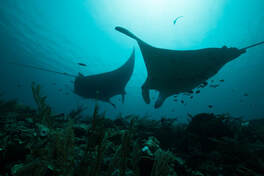 Indonesia is home to one of the most diverse marine ecosystems in the world. The country is surrounded by warm and clear waters, making it the perfect destination for scuba diving enthusiasts. One of the most popular dive sites in Indonesia is the Komodo National Park. This park is known for its incredible marine life, including giant manta rays, reef sharks, and various species of colorful fish. If you're an avid scuba diver, then a trip to the Komodo National Park is a must. The Beauty of Komodo National Park Komodo National Park is located in the Flores Sea, between the islands of Sumbawa and Flores in Eastern Indonesia. It covers a total area of 1,733 km², including the three largest islands: Komodo, Rinca, and Padar. The park is famous for its unique and diverse wildlife, including the Komodo dragon, one of the largest lizards in the world. However, the park's real treasure lies beneath the surface of its waters. The park has a rich and diverse marine life, with more than 1,000 species of fish and hundreds of species of coral. The clear and warm waters of the Flores Sea provide the perfect conditions for these species to thrive. Divers can expect to see giant manta rays, reef sharks, sea turtles, and a variety of colorful fish. The park also offers the opportunity to explore a variety of dive sites, including wrecks, walls, and muck diving sites. A Journey to Discover the Underwater World Komodo scuba diving is a journey to discover the beauty of Indonesia's marine life. The clear and warm waters of the Flores Sea provide the perfect conditions for diving, making it an ideal destination for both beginner and experienced divers. The park offers a variety of dive sites, each with its own unique features and characteristics. One of the most popular dive sites in the park is Batu Bolong. This site is located near the island of Rinca and is famous for its large schools of fish and the opportunity to see manta rays and reef sharks. Another popular dive site is Castle Rock, which is known for its abundant sea life, including sea turtles and a variety of colorful fish. In addition to these popular dive sites, the park also offers the opportunity to explore a variety of wrecks, walls, and muck diving sites. Wreck diving is a unique and exciting experience, allowing divers to explore the remains of ships and other vessels that have sunk to the bottom of the sea. Wall diving is another popular option, offering the opportunity to explore the sheer walls of the Flores Sea and see a variety of marine life. Muck diving is a type of diving that is focused on exploring the bottom of the sea, where divers can see a variety of unique and unusual species of marine life. The Best Time to Visit The best time to visit the Komodo National Park for scuba diving is from May to September, when the waters are the clearest and the visibility is the best. During this time, divers can expect to see a variety of marine life, including manta rays, reef sharks, and a variety of colorful fish. It is also the perfect time to explore the park's diverse dive sites and to take advantage of the warm and clear waters. Conclusion Komodo scuba diving is a journey to discover the beauty of Indonesia's marine life. The park offers a variety of dive sites, each with its own unique features and characteristics. Whether you're an experienced diver or just starting out, you can contact Maika Komodo Tour & Diving to book your diving adventure.  We offer many options for Komodo Island tours and even Komodo Scuba Diving Combination packages. Whether you want to take a leisure trip around the national park and enjoy the beaches or you are an adventure seeker, we are happy to work out an itinerary that fits what you are looking for. We can offer places such as Padar Island for a beautiful sunrise and good trekking opportunities or beaches such as Pink Beach so you can relax the day away and catch some sunshine on the beach. If you are wanting to Komodo dragons in the wild and trek into the jungle, we can also include that into your custom Komodo Tour package. Sometime we have a larger group and half of the group are certified diver and the other half on interested in try dive. That is no problem, we can make sure each group has a certified and experienced dive guide to fit the groups needs. If you have half the group that wants to scuba dive in Komodo and the other half only wants to snorkel, that is ok as well. We offer Komodo tours with Scuba diving combination as well.
For food we also can make sure to excite your taste buds with a personal chef on each Komodo boat trip. If you are a vegetarian or vegan, we can also tailor the food to include those options so everyone will be happy at the lunch and dinner table. We understand we have travellers from all over the world and we always try to accommodate your individual food requests. We offer Komodo Day trips for those that do not have as much time and want to see as much as possible in one day. We also offer many options for liveaboard boat trips. Our most popular Komodo packages are our 2 day, 3 day and 4 day trips. By taking longer time in the national park, you can experience everything that this beautiful paradise has to offer and you can soak it it more. If you are a diver, Komodo may be your favourite Scuba Diving location. We may be very happy with staying longer than just 4 days, and we would be happy to arrange that for you. There are so many great diving locations that you may want to try and dive them all. As well as customised tour packages we also offer our standard Komodo tour packages as well, that we have programmed over the years, after understanding what most of the tourists want to see. For example on a 3 day/ 2 night Komodo boat trip, you can go to Komodo Island, Padar Island, Makassar Reef, Taka Makassar, Kelor Island, Kalong, Kanawa Island, Pink beach and more. We have found that for most of all our guests, their highlights are seeing the Komodo Dragons, snorkeling or diving with manta rays, hiking Padar Island, and seeing Pink Beach. No matter which option you choose, you are sure enjoy yourself and at Maika Komodo Tour and Diving, we are happy to be your Komodo tour agency. Our staff and guides are very experienced and have years of working in the tourism industry and they are always happy to show their home island to international tourists. If you have any questions, please do not hesitate to contact us and our staff will be happy to help you in any way they can. 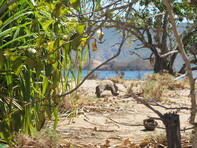 Komodo dragons are one of the most unique and captivating creatures on the planet. These massive lizards, which can grow up to 10 feet in length and weigh over 150 pounds, have long fascinated people with their impressive size and mysterious behavior. But as much as we might be captivated by these creatures, they are also facing significant challenges in the wild. In this post, we'll explore the status of komodo dragons, why they are endangered, and whether or not they can be found in zoos. Are Komodo Dragons Extinct? No, komodo dragons are not extinct. While they are considered a vulnerable species, they are not yet facing the threat of extinction. According to the International Union for Conservation of Nature (IUCN), komodo dragons are classified as vulnerable, meaning that they are at a high risk of becoming endangered in the near future. However, there are still thought to be around 5,000 komodo dragons living in the wild, and their populations are believed to be stable. Why are Komodo Dragons Endangered? There are a actually a number of important reasons why komodo dragons are endangered. One of the main reasons is habitat loss. As human populations have grown, komodo dragons have lost much of their natural habitat to agriculture, urbanization, and other forms of development. This has made it difficult for them to find the resources they need to survive, such as food and shelter. Another reason why komodo dragons are endangered is poaching. Despite being protected by law, komodo dragons are still hunted for their skin, which is used to make expensive leather goods. This illegal trade has had a serious impact on the populations of komodo dragons, particularly in certain areas where they are more vulnerable to poaching. Finally, komodo dragons are also endangered due to their small population size. With only around 5,000 individuals remaining in the wild, the species is considered to be at a high risk of extinction due to the negative impacts of human activities and other factors. Are Komodo Dragons in Zoos? Yes, komodo dragons can be found in zoos around the world. While they are not as common as some other species of reptiles, komodo dragons are popular attractions at many zoos due to their size and popularity. In zoos, komodo dragons are typically housed in large enclosures that mimic their natural habitat, and they are provided with a diet of rodents and other prey to keep them healthy. While seeing komodo dragons in zoos can be a thrilling experience, it's important to remember that these animals are facing significant challenges in the wild. By supporting conservation efforts and choosing to visit ethical wildlife attractions, we can help to protect komodo dragons and other endangered species for future generations to enjoy. In conclusion, komodo dragons are not extinct, but they are considered a vulnerable species due to habitat loss, poaching, and their small population size. While you can see komodo dragons in zoos, it's important to support conservation efforts to help protect these amazing creatures in the wild. If you would like to schedule a Komodo Tour and get to see the amazing creature up close and personal, Maika Komodo Tour can Help you put together the perfect Komodo Tour Package for you and your group. There are options of Daily trips, 2 day, and 3 day liveaboard trips. Should your family visit Komodo National park?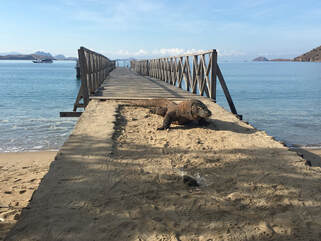 One of the top reasons families should visit Komodo National Park is the opportunity to go on a Komodo Island tour. These tours offer a chance to explore the park and its many attractions, including the opportunity to see the Komodo dragons up close. The tours are typically led by knowledgeable guides who can provide information about the history and culture of the area, as well as the flora and fauna found within the park.
Another great option for families is a Komodo tour package. These packages typically include accommodations, meals, and activities, making it easy for families to plan their trip and ensure that they have everything they need for a memorable vacation. The packages also often include guided tours of the park, providing an easy and convenient way for families to see all that the park has to offer. If you're looking for an even more immersive experience, consider a Komodo liveaboard tour. These tours allow families to spend multiple days exploring the park and its surroundings, while also staying on a comfortable and well-equipped boat. Liveaboard tours offer a unique and exciting way for families to explore the park and its many attractions, as well as enjoy the beautiful scenery and wildlife found throughout the region. No matter which type of tour you choose, a visit to Komodo National Park is sure to be an unforgettable experience for families. In addition to the opportunity to see the famous Komodo dragons, the park also offers a variety of other activities and attractions that are sure to appeal to people of all ages. From snorkeling and scuba diving in the crystal clear waters to hiking through the beautiful landscapes, there's something for everyone at Komodo National Park. So why should families visit Komodo National Park? In short, it offers a unique and exciting vacation destination that is sure to provide memories that will last a lifetime. With a variety of tour options to choose from, as well as a wide range of activities and attractions, there's no better place for families to spend their vacation than at this beautiful and iconic national park. So, if you're looking for the perfect family vacation destination, consider a trip to Komodo National Park and experience all that this amazing place has to offer" 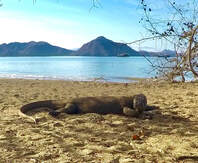 Komodo National Park is located in Indonesia and is home to the famous Komodo dragon, a species of monitor lizard that can grow up to 3 meters (10 feet) in length and weigh up to 70 kilograms (150 pounds).
Komodo National Park is a UNESCO World Heritage site located in Indonesia that is home to the famous Komodo dragon, the largest living species of lizard. The park is also home to a wide variety of other animals, including monkeys, deer, and wild boar, as well as a diverse array of plants and coral reefs. Visiting Komodo National Park is a unique and unforgettable experience that allows visitors to see these amazing animals in their natural habitat. The park is also a great place for nature lovers, as it offers beautiful landscapes and a rich ecosystem. In addition to seeing the Komodo dragons, visitors can also go diving or snorkeling in the park's crystal clear waters, which are home to a wide variety of colorful fish and coral. The park also offers a range of other activities, such as hiking and birdwatching, making it a great destination for outdoor enthusiasts. Overall, Komodo National Park is a worth-while destination for anyone interested in nature, wildlife, and outdoor adventure. It is a unique and beautiful place that offers a wide range of activities and experiences for visitors. Is Taking a Komodo Liveaboard trip the best way to see the National Park? There are a few reasons why a liveaboard trip may be the best way to see Komodo National Park:
INformation about Komodo National Park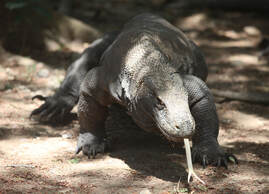 Komodo National Park is a national park in Indonesia that was established in 1980 to protect the Komodo dragon, the world's largest lizard. The park is located in the Lesser Sunda Islands, in the provinces of East Nusa Tenggara and West Nusa Tenggara. It encompasses the three larger islands of Komodo, Padar, and Rinca, as well as numerous smaller islands, and covers an area of 1,733 square kilometers.
The main attraction of Komodo National Park is, of course, the Komodo dragon. These giant lizards can grow up to 3 meters in length and weigh up to 70 kilograms. They are known for their deadly venom, which they use to kill their prey. In addition to the Komodo dragon, the park is also home to a variety of other wildlife, including many species of birds, mammals, and marine life. One of the best ways to explore the park is by boat. You can choose between Speed boat daily trips, or multi-day Liveaboard Komodo Trips. These options allow visitors to see the different islands and their wildlife. Visitors can also go on hiking and trekking tours, which take them to some of the more remote parts of the park. In addition to the wildlife, Komodo National Park also offers some beautiful scenery. The islands are home to pristine beaches, crystal clear waters, and stunning views of the surrounding landscape. The park also has some interesting historical and cultural sites, including the remains of ancient villages and the graves of former kings. Despite its natural beauty and unique wildlife, Komodo National Park faces some challenges. The park is under threat from illegal fishing and poaching, which can harm the delicate ecosystem. There are also concerns about the impact of tourism on the park and its inhabitants. To address these issues, the government has implemented strict conservation measures and is working closely with local communities to protect the park. Overall, Komodo National Park is a unique and fascinating destination that offers visitors the chance to see some of the world's most incredible wildlife in their natural habitat. Whether you're interested in the Komodo dragon, the beautiful scenery, or the rich culture of the area, there's something for everyone at Komodo National Park. The best time to visit Komodo National Park depends on several factors, including your personal preferences and the specific activities you want to do while you're there. In general, the best time to visit the park is during the dry season, which typically runs from April to October. This is the most popular time to visit the park, as the weather is pleasant and there are fewer chances of rain. Additionally, the water is generally clearer during the dry season, making it a good time for activities like snorkeling and diving. Keep in mind that the park can get quite crowded during this time, so it's a good idea to plan ahead and make reservations in advance. If you would like information on any Komodo Tour Package, Maika Komodo tour’s experienced staff would be happy to help you with any questions you may have. We offer Komodo Tours that can be personalised to our guests and their groups. We also offer Komodo National Park Scuba diving combinations for anyone certified divers coming to the ara. Scuba Diving Komodo National park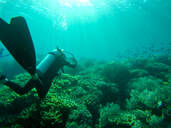 Have you heard about how great the diving is in Komodo?
Komodo National Park is a popular destination for scuba diving enthusiasts due to its rich marine life and beautiful underwater landscapes. Located in the Indonesian province of East Nusa Tenggara, the park is made up of three major islands (Komodo, Rinca, and Padar) as well as several smaller ones. It is home to the famous Komodo dragon, the world's largest lizard, but it is also known for its stunning coral reefs and abundant marine life. Scuba diving in Komodo National Park offers a truly unique experience for everyone. The park is located in the heart of the Coral Triangle, an area known for its exceptional biodiversity. Divers can expect to see a wide variety of marine life, including colorful tropical fish, sharks, rays, dolphins, and even the occasional dugong or whale. The underwater landscapes are equally impressive, with beautiful coral reefs, sunken ships, and underwater caves to explore. One of the most popular dive sites in Komodo National Park is the Manta Point dive site. Located near the island of Komodo, this site is known for its large population of manta rays. These gentle giants can often be seen swimming near the surface, making them a favorite among divers and snorkelers alike. Other popular dive sites in the park include Castle Rock, Crystal Rock, and the Batu Bolong dive site. When diving in Komodo National Park, it is important to take appropriate safety precautions. The park is located in a remote area and there are no decompression chambers nearby, so divers must be careful to avoid decompression sickness. It is also important to be aware of the strong currents in the area, as well as the potential for encounters with marine animals like sharks and stingrays. Overall, scuba diving in Komodo National Park is an unforgettable experience. With its rich marine life and beautiful underwater landscapes, the park offers something for divers of all levels. Whether you are a beginner or a seasoned pro, there is something in Komodo National Park for everyone to enjoy. If you have any question on Diving or Komodo Tours, please contact Maika Komodo Tour and our experienced staff would be happy to help you. In Summary. Scuba diving in Komodo National Park offers a captivating and diverse underwater experience, making it a premier destination for divers. The park is renowned for its crystal-clear waters, vibrant coral reefs, and an abundance of marine life. Popular dive sites such as "The Cauldron" showcase dramatic underwater landscapes with volcanic formations and exhilarating drift dives. Explorers can also encounter majestic manta rays at Manta Point, while other dive sites like Castle Rock and Batu Bolong provide opportunities to witness an array of colorful reef fish, sharks, turtles, and even the occasional sighting of dolphins and whales. With its rich biodiversity and stunning underwater scenery, Komodo National Park promises an unforgettable diving adventure. When it comes to choosing a dive shop in Komodo, Maika Komodo Tour & Diving stands out as an excellent option. They offer a combination of expertise, professionalism, and personalized service that enhances the diving experience. Their team of experienced dive instructors and guides ensures safe and enjoyable dives for divers of all levels, from beginners to advanced. Maika Komodo Tour & Diving understands the unique attractions and hidden gems of Komodo's underwater world, taking divers to the best dive sites and providing valuable insights into the marine ecosystem. Additionally, they prioritize environmental sustainability and responsible diving practices, aiming to preserve the delicate marine environment of Komodo National Park. By choosing Maika Komodo Tour & Diving, divers can expect exceptional service, expert guidance, and a commitment to conservation, making their diving experience in Komodo even more rewarding. Visiting Komodo National ParkKomodo National Park is a popular tourist destination located in Indonesia. The park is known for its population of Komodo dragons, the largest living species of lizard. These fascinating creatures can grow up to 10 feet in length and weigh over 150 pounds.
Visiting Komodo National Park is an unforgettable experience that offers a unique opportunity to observe these impressive animals in their natural habitat. The park is also home to a diverse array of other wildlife, including birds, dolphins, and sea turtles. To visit Komodo National Park, you can fly into Labuan Bajo, a small town located on the westernmost tip of the island of Flores. From there, you can arrange a tour to the park, which usually includes a boat ride to the various islands within the park. The boat ride itself is an adventure, as you’ll be able to see the beautiful scenery and wildlife of the park from the water. Once you arrive at Komodo National Park, you can take a guided tour to see the Komodo dragons. These tours are led by experienced park rangers who will ensure your safety and provide you with information about the dragons and their behavior. You’ll also have the opportunity to see the dragons up close and take pictures. In addition to the Komodo dragons, there are also many other activities to enjoy at the park. You can go snorkeling or diving to see the colorful marine life, or go hiking to explore the islands and see the stunning views. The park also offers camping facilities for those who want to spend the night and experience the park in a more immersive way. One of the best things about visiting Komodo National Park is that it is still relatively untouched by tourism. The park has been designated as a World Heritage Site, and the local authorities take great care to protect the natural environment and the wildlife within it. This means that you can enjoy the park in a way that is both authentic and sustainable. In conclusion, visiting Komodo National Park is an amazing experience that offers the chance to see some of the world’s most impressive animals in their natural habitat. Whether you’re interested in seeing the Komodo dragons, going snorkeling or diving, or just exploring the beautiful islands of the park, there’s something for everyone at Komodo National Park. If you are interested in Scuba Diving Komodo National Park, there are many options of locations to visit, including Batu Bolong, Castle Rock, Crystal Rock, Manta Point, Siaba Besar, and many more. You can choose a Komodo liveaboard such as Queenesia II or a Komodo Day trip. Eitherway you choose, taking a Komodo Tour can offer the traveler some wonderful experiences! If you would like to learn more, you can check out our other Komodo Island Tours Blog. |
AuthorI have been in the tourism industry in Komodo National Park for more than 10 years. Archives
June 2023
Categories |
- Komodo Island Tours & Diving
-
Komodo Day Trips
-
LIve-Aboard Packages
-
Scuba Dive Komodo
- Open Water Course Certification
- Advanced Adventurer Course
- Try Scuba Diving in Komodo
- Our Komodo Daily Diving Boat "Global Nomad"
- Komodo Tour 3 Days 2 Nights
- Scuba Diving Prices
- Top 10 Komodo Scuba Diving Locations >
-
Scuba Diving FAQ
>
- What Scuba Courses Do You Offer? >
- Komodo Scuba Diving Etiquette >
-
Proper Dive Planning in Komodo National Park
>
- Tips for Beginner Scuba divers in Komodo >
- Benefits of scuba diving for your health and well-being >
- Scuba Diving Regulators
- Our Favorite Dive Computers (Best Scuba Dive Computers
- Our Top Scuba Mask for Komodo National Park
- Recommended Wetsuits for Scuba Diving In Komodo
- Find the Best Fins for Diving Komodo
- The Role of Coral Reefs in Komodo
- Plastic Pollution in Komodo National Park
- What can you see Scuba Diving in Komodo National Park? >
- Scuba Diving Padar
- Underwater Photography in Komodo >
- Combo Tour/ Komodo/ Leisure/ Diving
- The Ultimate Guide to Komodo Scuba Diving >
- Komodo Locations
- Wae Rebo/Komodo Discovery
- Flores Overland Trips
-
Komodo Map
- General Information About Komodo Island >
-
Things to do in Komodo
>
- Mastering Photography techniques in Komodo National park and Padar
- Komodo Island Adventure Activities >
- Scuba Diving From Menjaga Bay
- Festivals and Events in Komodo National Park
- Komodo (Flores) Youth Retreat
- Komodo Island Hotels
- Weather and Climate Information for Travellers to Komodo National Park
- Komodo Dragons Information >
- Komodo Island Trekking Guide >
- Komodo National Park Wildlife Guide >
- Komodo Island Environmental Conservation Guide >
- Top 5 Locations in Komodo for Leisure Boat Trips
- Top 5 Beaches in Komodo
- Komodo Island Tour Price
- Komodo National Park Information
- Labuan Bajo Trip
-
Komodo Island Tourism
- About Us
- Need Help with other services
- Komodo Island Tours Blogs
- Komodo Tours Blog
- Scuba Diving Komodo Blog
- Komodo National Park Information
-
Komodo Ultimate Guides
- The Ultimate guide to choosing a Mask and Fins in Komodo
- The Ultimate Guide to Understanding Mangarri culture in Komodo and Flores Indonesia
- The Ultimate Guide to Taking Quality Photography of Komodo Dragons
- Ultimate Guide to Komodo Macro Life
- The Ultimate Guide to Studying Fish in Komodo National Park
- Ultimate Guide to choosing a scuba tank
- Taking good photos in Komodo
- Komodo testimonies with Maika Komodo Tour & Diving
- Indonesia Facts
- The Flores Sea
- Pages of Interest for Maika Komodo Tour
- Best Diving Komodo 2024 - Maika Komodo Tour & Diving
- Best Komodo Tours 2024 - Explore Unique Itineraries with Maika
- Best Komodo Dive Sites 2024
- Komodo Island Diving
- Dive Center Komodo
 RSS Feed
