INformation about Komodo National Park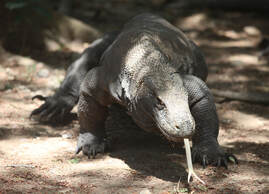 Komodo National Park is a national park in Indonesia that was established in 1980 to protect the Komodo dragon, the world's largest lizard. The park is located in the Lesser Sunda Islands, in the provinces of East Nusa Tenggara and West Nusa Tenggara. It encompasses the three larger islands of Komodo, Padar, and Rinca, as well as numerous smaller islands, and covers an area of 1,733 square kilometers.
The main attraction of Komodo National Park is, of course, the Komodo dragon. These giant lizards can grow up to 3 meters in length and weigh up to 70 kilograms. They are known for their deadly venom, which they use to kill their prey. In addition to the Komodo dragon, the park is also home to a variety of other wildlife, including many species of birds, mammals, and marine life. One of the best ways to explore the park is by boat. You can choose between Speed boat daily trips, or multi-day Liveaboard Komodo Trips. These options allow visitors to see the different islands and their wildlife. Visitors can also go on hiking and trekking tours, which take them to some of the more remote parts of the park. In addition to the wildlife, Komodo National Park also offers some beautiful scenery. The islands are home to pristine beaches, crystal clear waters, and stunning views of the surrounding landscape. The park also has some interesting historical and cultural sites, including the remains of ancient villages and the graves of former kings. Despite its natural beauty and unique wildlife, Komodo National Park faces some challenges. The park is under threat from illegal fishing and poaching, which can harm the delicate ecosystem. There are also concerns about the impact of tourism on the park and its inhabitants. To address these issues, the government has implemented strict conservation measures and is working closely with local communities to protect the park. Overall, Komodo National Park is a unique and fascinating destination that offers visitors the chance to see some of the world's most incredible wildlife in their natural habitat. Whether you're interested in the Komodo dragon, the beautiful scenery, or the rich culture of the area, there's something for everyone at Komodo National Park. The best time to visit Komodo National Park depends on several factors, including your personal preferences and the specific activities you want to do while you're there. In general, the best time to visit the park is during the dry season, which typically runs from April to October. This is the most popular time to visit the park, as the weather is pleasant and there are fewer chances of rain. Additionally, the water is generally clearer during the dry season, making it a good time for activities like snorkeling and diving. Keep in mind that the park can get quite crowded during this time, so it's a good idea to plan ahead and make reservations in advance. If you would like information on any Komodo Tour Package, Maika Komodo tour’s experienced staff would be happy to help you with any questions you may have. We offer Komodo Tours that can be personalised to our guests and their groups. We also offer Komodo National Park Scuba diving combinations for anyone certified divers coming to the ara.
0 Comments
Leave a Reply. |
AuthorI have been in the tourism industry in Komodo National Park for more than 10 years. Archives
June 2023
Categories |
- Komodo Island Tours & Diving
-
Komodo Day Trips
-
LIve-Aboard Packages
-
Scuba Dive Komodo
- Open Water Course Certification
- Advanced Adventurer Course
- Try Scuba Diving in Komodo
- Our Komodo Daily Diving Boat "Global Nomad"
- Komodo Tour 3 Days 2 Nights
- Scuba Diving Prices
- Top 10 Komodo Scuba Diving Locations >
-
Scuba Diving FAQ
>
- What Scuba Courses Do You Offer? >
- Komodo Scuba Diving Etiquette >
-
Proper Dive Planning in Komodo National Park
>
- Tips for Beginner Scuba divers in Komodo >
- Benefits of scuba diving for your health and well-being >
- Scuba Diving Regulators
- Our Favorite Dive Computers (Best Scuba Dive Computers
- Our Top Scuba Mask for Komodo National Park
- Recommended Wetsuits for Scuba Diving In Komodo
- Find the Best Fins for Diving Komodo
- The Role of Coral Reefs in Komodo
- Plastic Pollution in Komodo National Park
- What can you see Scuba Diving in Komodo National Park? >
- Scuba Diving Padar
- Underwater Photography in Komodo >
- Combo Tour/ Komodo/ Leisure/ Diving
- The Ultimate Guide to Komodo Scuba Diving >
- Komodo Locations
- Wae Rebo/Komodo Discovery
- Flores Overland Trips
-
Komodo Map
- General Information About Komodo Island >
-
Things to do in Komodo
>
- Mastering Photography techniques in Komodo National park and Padar
- Komodo Island Adventure Activities >
- Scuba Diving From Menjaga Bay
- Festivals and Events in Komodo National Park
- Komodo (Flores) Youth Retreat
- Komodo Island Hotels
- Weather and Climate Information for Travellers to Komodo National Park
- Komodo Dragons Information >
- Komodo Island Trekking Guide >
- Komodo National Park Wildlife Guide >
- Komodo Island Environmental Conservation Guide >
- Top 5 Locations in Komodo for Leisure Boat Trips
- Top 5 Beaches in Komodo
- Komodo Island Tour Price
- Komodo National Park Information
- Labuan Bajo Trip
-
Komodo Island Tourism
- About Us
- Need Help with other services
- Komodo Island Tours Blogs
- Komodo Tours Blog
- Scuba Diving Komodo Blog
- Komodo National Park Information
-
Komodo Ultimate Guides
- The Ultimate guide to choosing a Mask and Fins in Komodo
- The Ultimate Guide to Understanding Mangarri culture in Komodo and Flores Indonesia
- The Ultimate Guide to Taking Quality Photography of Komodo Dragons
- Ultimate Guide to Komodo Macro Life
- The Ultimate Guide to Studying Fish in Komodo National Park
- Ultimate Guide to choosing a scuba tank
- Taking good photos in Komodo
- Komodo testimonies with Maika Komodo Tour & Diving
- Indonesia Facts
- The Flores Sea
- Pages of Interest for Maika Komodo Tour
- Best Diving Komodo 2024 - Maika Komodo Tour & Diving
- Best Komodo Tours 2024 - Explore Unique Itineraries with Maika
- Best Komodo Dive Sites 2024
- Komodo Island Diving
- Dive Center Komodo
 RSS Feed
